Fun Summer Activities to Boost Kindergarten Reading Skills: Avoid the Summer Slump!
As the school year wraps up and the summer breeze starts blowing in, it’s time for fun and relaxation. However, for our youngest learners, summer can also bring the risk of what educators call “summer learning loss.”
This phenomenon, particularly noticeable in kindergarteners, involves a slide in academic skills, especially in reading, due to a lack of engagement with educational activities during the long break.
Research shows that young students can lose up to a couple of months’ worth of reading skills over summer, setting them back at the start of the new school year.
So, this year make sure your child doesn’t fall into the trap of the “summer slump of learning’!

Keeping reading habits alive during the summer is crucial for maintaining and building upon the skills learned during the school year.
To combat summer learning loss and make reading practice enjoyable, this post is packed with fun and engaging activities.
These are not just any activities, though—they combine educational content with creative crafting to capture the interest of kindergarten minds.
From colorful letter scavenger hunts to making their own mini-books, your child will enjoy hours of learning and fun. Let’s dive into some great ways to help your kindergartener continue to recognize letters and sounds, remember the words they have already learned, all while crafting and playing their way through summer!

Understanding the Importance of Reading Readiness
Reading readiness is the stage at which a child is truly prepared to start learning to read. It’s a crucial development phase, especially for kindergarteners, as it sets the foundation for all future learning and academic activities.
Reading readiness is not just about knowing the alphabet—it encompasses a range of skills including letter recognition, listening comprehension,and an understanding of print concepts (like knowing which way to hold a book and how to follow words on a page).
A key component of reading readiness is phonemic awareness—the ability to hear, identify, and manipulate phonemes, the smallest units of sound that make up words. For example, understanding that the word “bat” is made up of three sounds: /b/, /a/, and /t/.
This awareness is crucial because it underpins a child’s ability to sound out words phonetically, a skill that is essential for reading and spelling.
Phonemic awareness is more than just an academic skill; it’s a bridge to reading fluency.
Children who develop strong phonemic awareness are generally more successful readers because they can easily connect sounds with their corresponding letters and words.
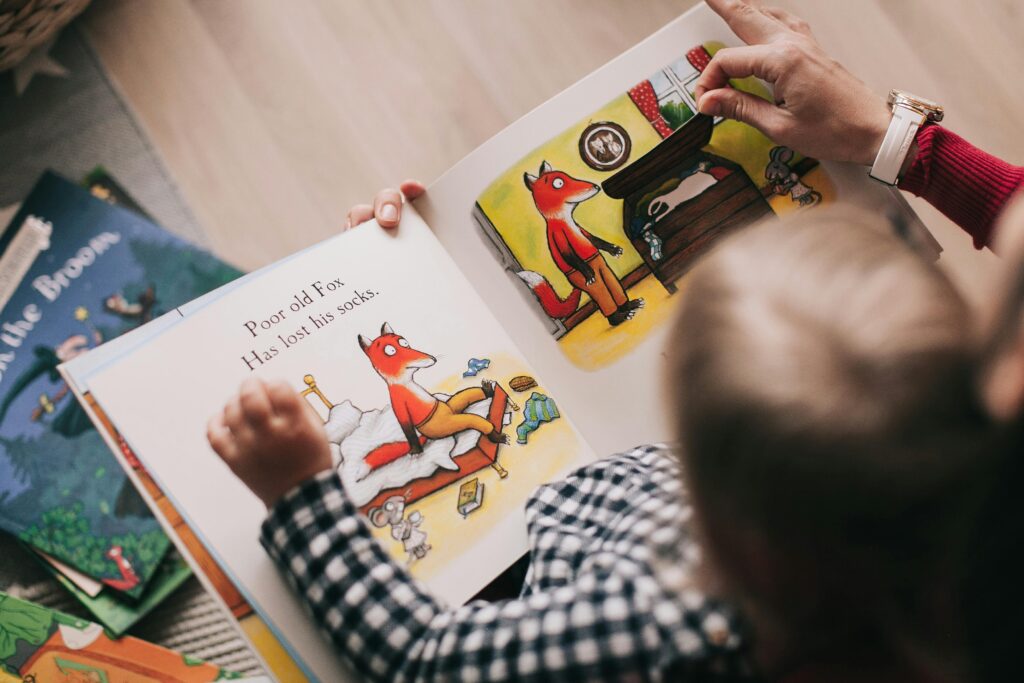
By nurturing this skill over the summer, parents and educators can provide kindergarteners with a head start that not only enhances their early reading experiences but also bolsters their confidence and enthusiasm for learning.
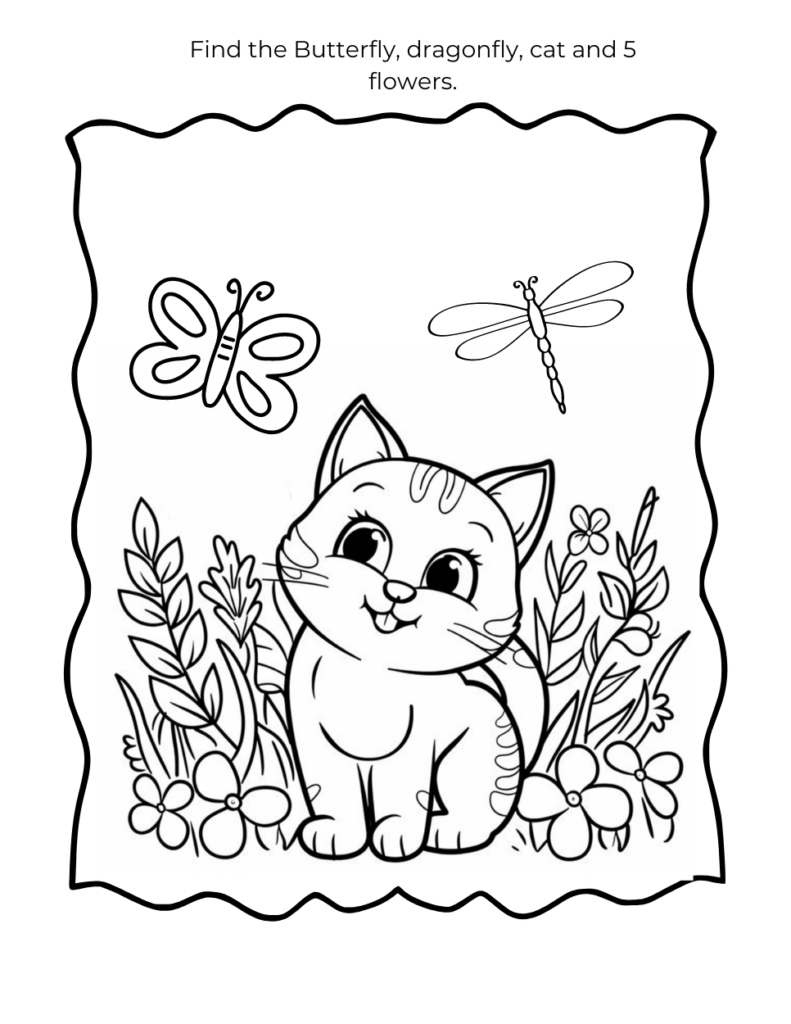
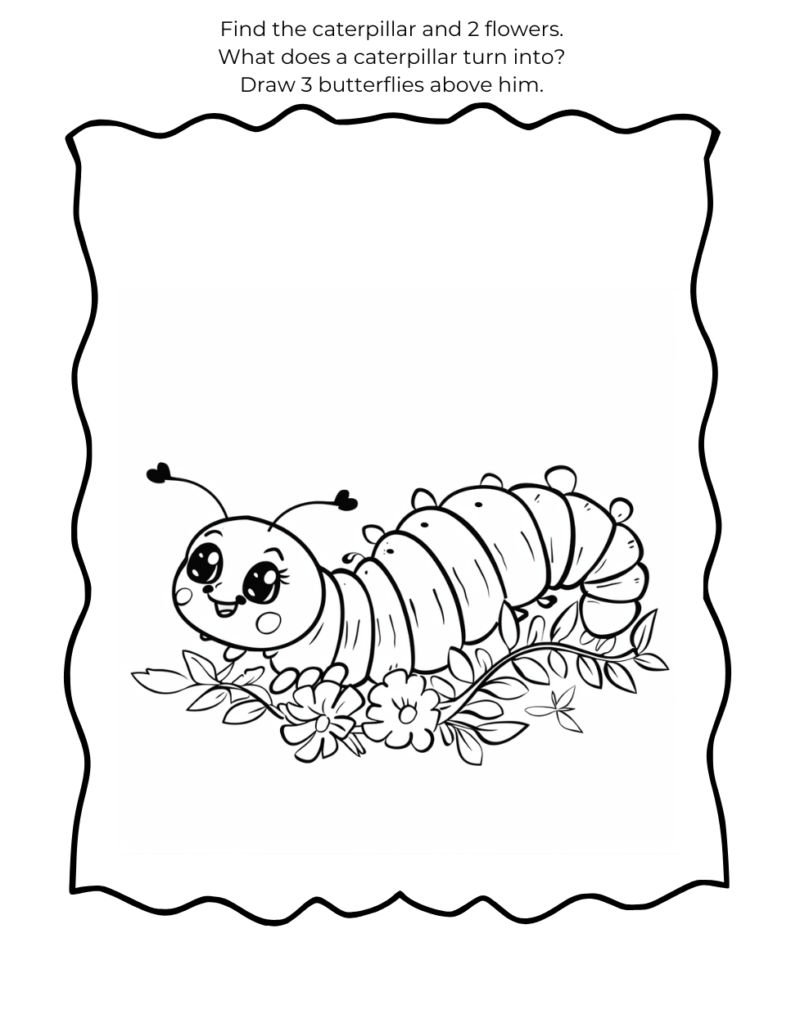
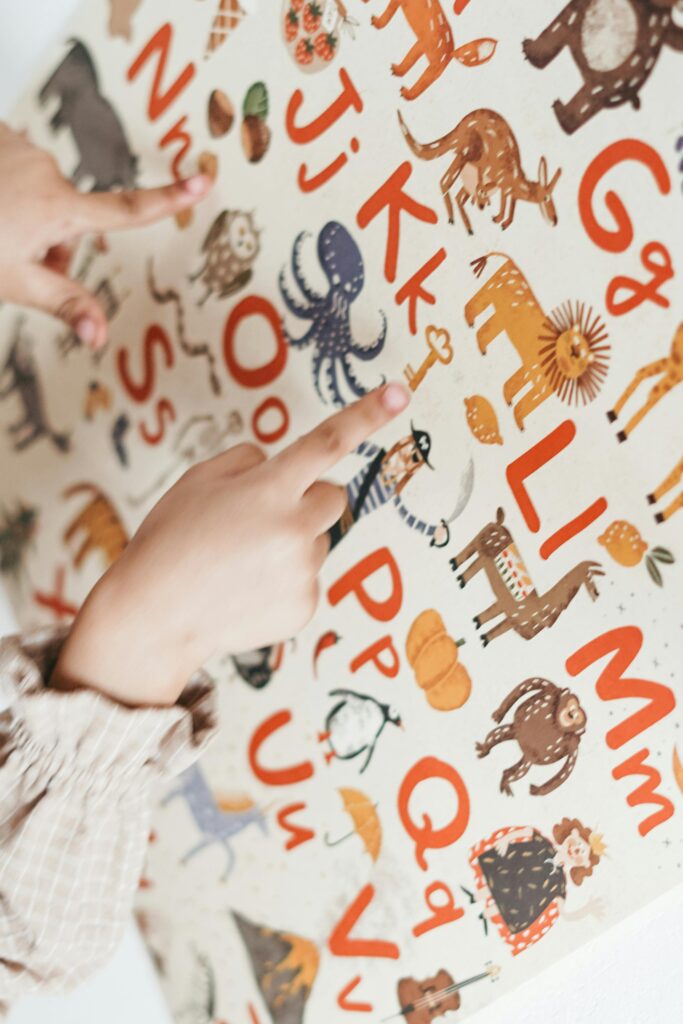
If you have a coloring book or pages use these to engage with your child. Instead of just letting them color talk about the picture first. Think of basic questions to ask – names of what they see – size of items, what colors will they be, how many of the items on the page. Ask them to sound out the main item C/A/ T and ask what sound it begins with and what letter represents that sound.
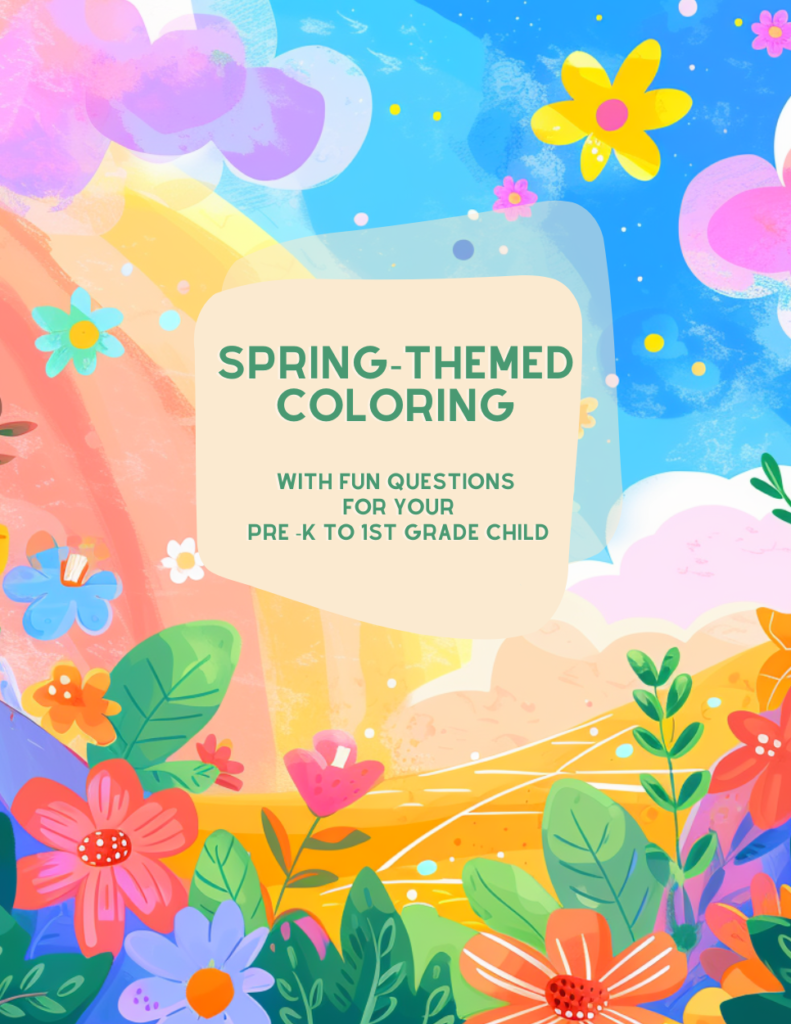
Below you can see an item from my Etsy store, Craftlearnprintables where you can get a set of spring themed coloring pages with the questions already pre-written at the top.
The benefits of having single pages are that you can print the pages time and again and use them in different ways for different ages; or to repeat a task until it is really embedded into their long term memory.
Daily Reading Practices
Establishing a daily reading routine is one of the most effective ways to prevent summer learning loss. Setting aside time each day for reading not only reinforces literacy skills but also helps instill a lifelong love for books in young children.
Even just 15 to 20 minutes of reading a day can make a significant difference in maintaining and advancing reading abilities over the summer months.
Interactive reading sessions are particularly beneficial for kindergarteners, as they turn reading into an engaging, shared experience.
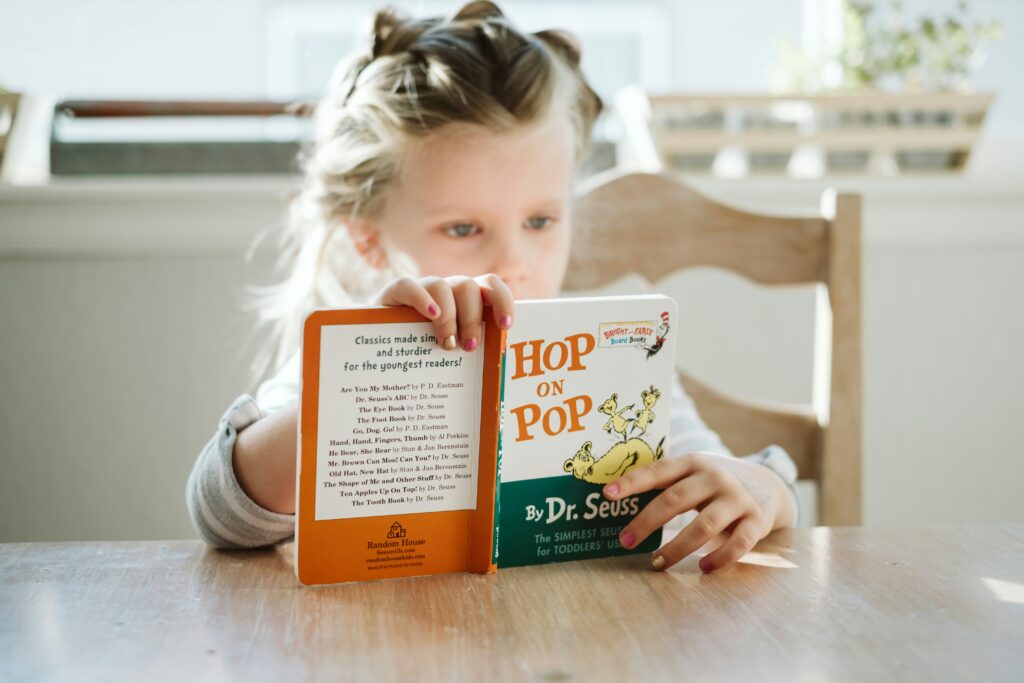
Choose children’s books that are rich in rhymes and alliteration, and those that playfully introduce new sounds and letters.
As you read, pause to point out interesting letters and sounds, ask your child to find letters they recognize, or to make the sounds of the letters as they appear in the book.
This type of active participation enhances phonemic awareness and helps children apply what they learn from their craft activities to real reading situations.

Try reading in various different places! Places that you don’t normally read in.
Go outside and sit on a blanket. Take a soft toy and have the child read to their favorite cozy toy.
Make a den under the table with a big sheet or blanket and then take a flashlight in with you and read by flashlight.
Go to the playground and choose somewhere to sit on a bench and read whilst the other kids are playing. (See if you can find a book that matches the experience)
An unusual out of the everyday reading corner.
Find a book that matches the printable and craft
Additionally, consider incorporating themed read-alouds that match the crafts your child has been working on.
For instance, if the craft involves creating paper animals, choose a book about animals. This not only reinforces the learning but also makes the connection between reading and hands-on activities clearer and more meaningful for young learners.
Here are ten children’s books suitable for kindergarteners, along with craft ideas that complement the themes or characters of the books:
- “The Very Hungry Caterpillar” by Eric Carle
Craft: Create a paper chain caterpillar using colored paper circles. Add features like eyes and antennae.
2. “Brown Bear, Brown Bear, What Do You See?” by Bill Martin Jr. and Eric Carle
Craft: Make animal masks or a collage using different colored papers to represent each animal in the book.
3. “Chicka Chicka Boom Boom” by Bill Martin Jr. and John Archambault
Craft: Construct a coconut tree from construction paper and have kids add letter stickers or cut-outs climbing up the tree.
4. “We’re Going on a Bear Hunt” by Michael Rosen
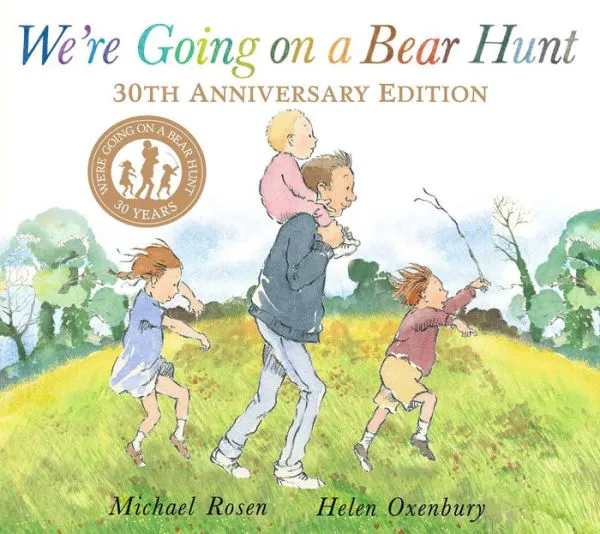
Craft: Create a sensory path with materials representing different scenes from the book (e.g., grass, mud, water) that children can feel and walk through.
5. “Where the Wild Things Are” by Maurice Sendak
Craft: Make Wild Thing crowns or masks using paper plates and decorative materials.
6. “Goodnight Moon” by Margaret Wise Brown
Craft: Design a room scene on a piece of cardboard, where children can place objects mentioned in the book using Velcro or similar attachments.
7. “If You Give a Mouse a Cookie” by Laura Numeroff
Craft: Create a mouse puppet using a sock or a paper bag, and add craft eyes and felt ears.
8. “The Rainbow Fish” by Marcus Pfister
Craft: Make a shiny fish using aluminum foil pieces as scales, glued onto a fish-shaped cutout.
9.”The Snowy Day” by Ezra Jack Keats
Craft: Produce a snowy scene collage using cotton balls, glitter, and white paint on blue paper.
10. “Elmer the Patchwork Elephant” by David McKee
Craft: Assemble a patchwork elephant using multicolored squares of paper glued together on an elephant outline.
Additionally you can create a bookmark for each book you have read together and after the books have been returned to the library – you will have a memento of the summer reading fun you had together!
These books are all highly engaging for young children and offer ample opportunities for creative craft activities that reinforce the themes and lessons found within each story.
Some of the above books I used in my First grade classrooms with 6 year olds. One very popular one was We’re going on a Bear Hunt. So much fun to read and come up with ideas from the children themselves.
They loved the books and the discussions we had about the characters and the plot. Read together every day for the joy of it! Go to the library and request the books and you will be set for the summer reading blitz!
Conclusion:
This summer don’t let learning take a backseat. But also, don’t make it a repeat of just school-like activities!
The activities we’ve explored today are designed not only to keep your kindergartner’s reading skills sharp but also to infuse their summer days with creativity and fun.
By incorporating daily reading practices and interactive crafts that complement each reading session, we can help mitigate summer learning loss and prepare our children for a successful return to school.
Integrating these playful learning activities into your regular summer routine will not only enhance your child’s literacy skills but also create joyful memories together.
Call to Action:
Ready to make this summer a transformative time for your young reader?
Go to the library and find the books, get paper and crayons and just START!